Seikyo
2026/1/26 – 2/1
Kifune shrine, Kyoto
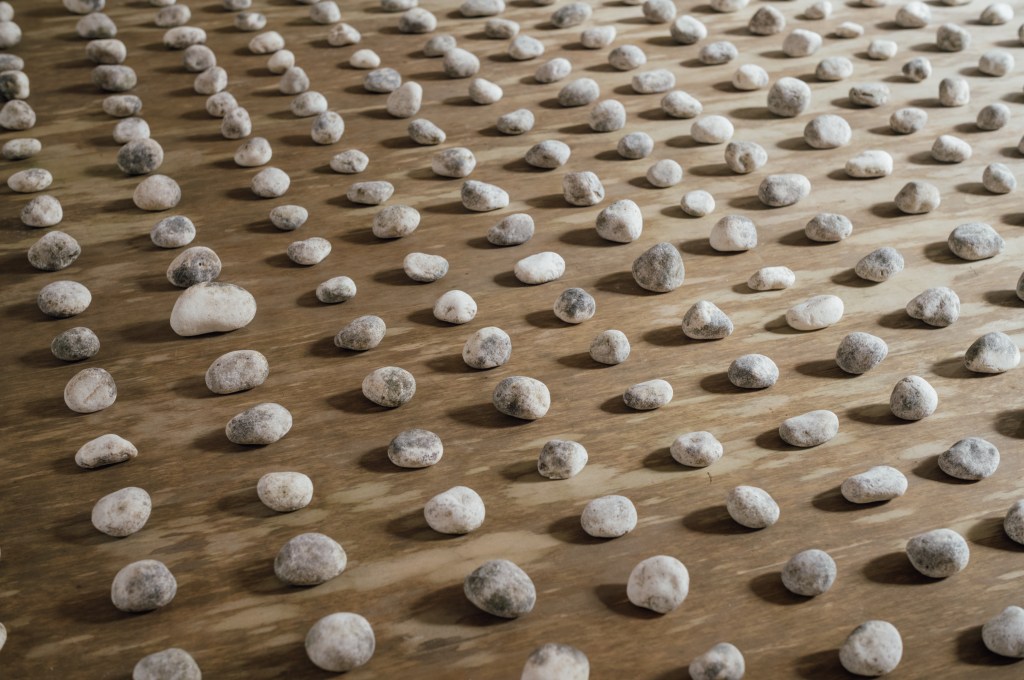
《清境》 2026 / W4,200×D4,200mm / 神社の白玉石
“Seikyo” 2026 / W4,200×D4,200mm / White pebbles from the shrine
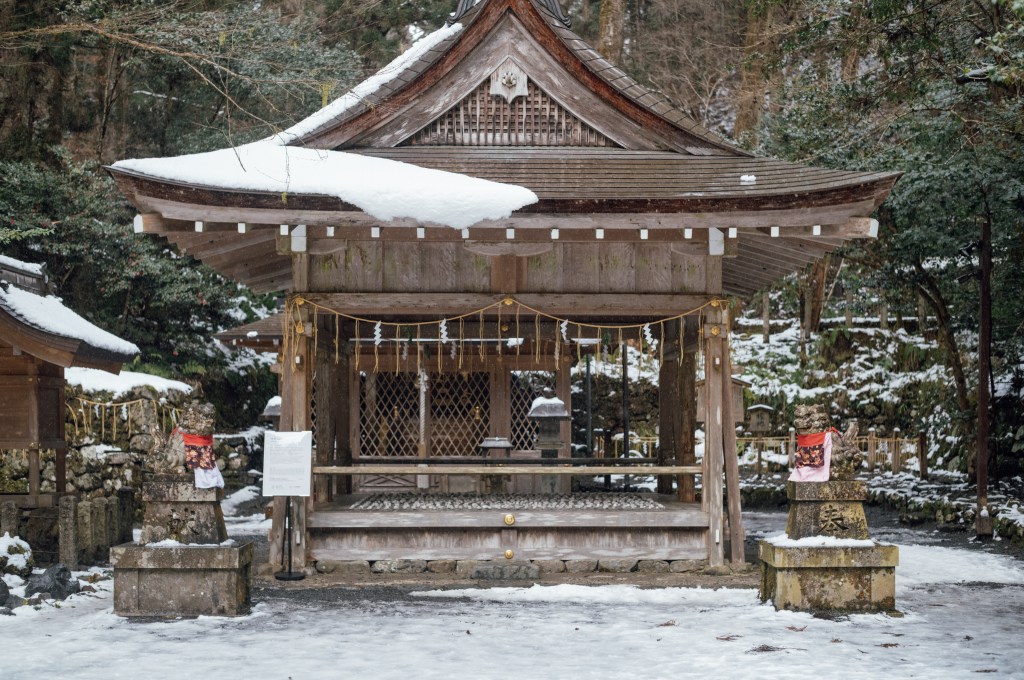
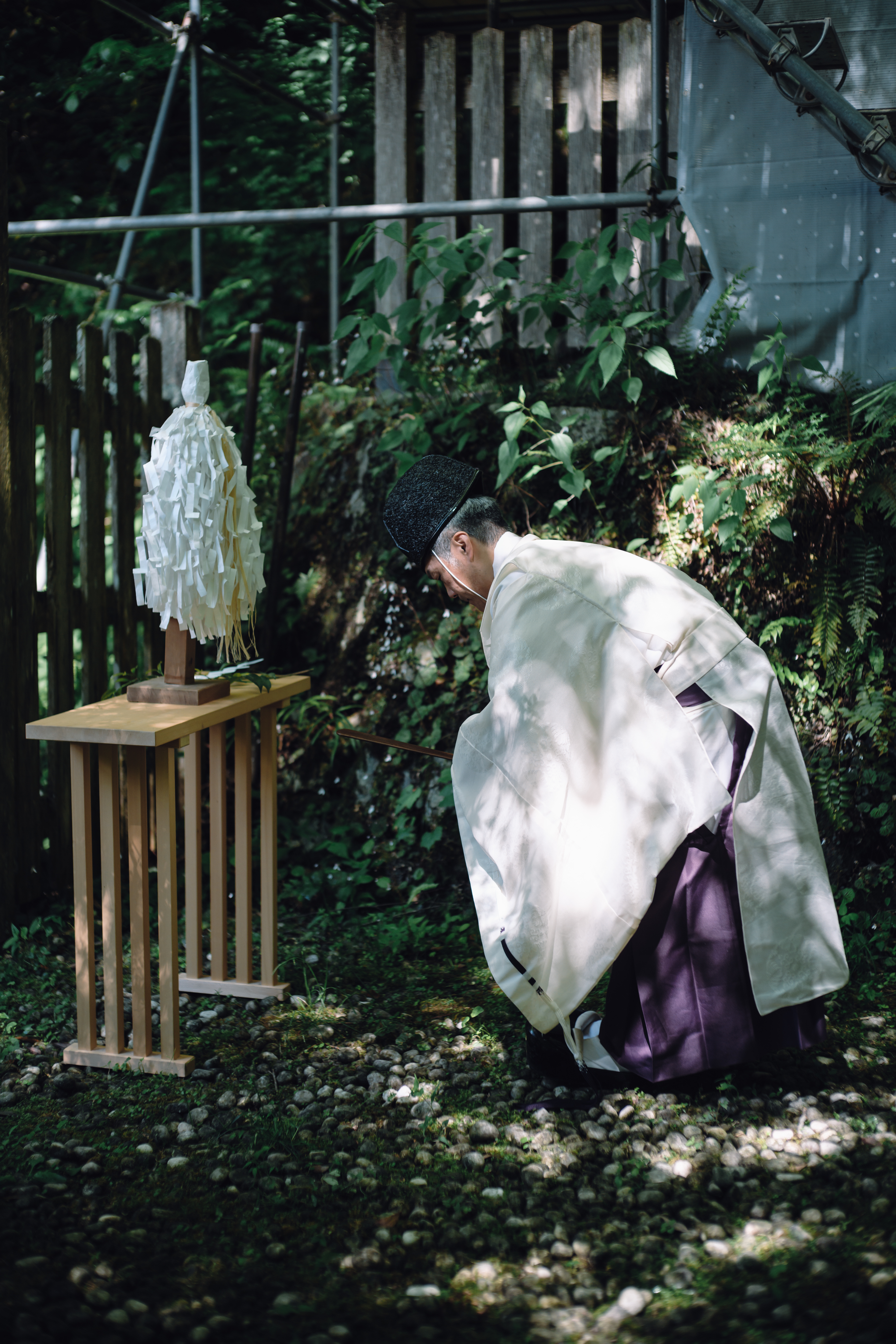
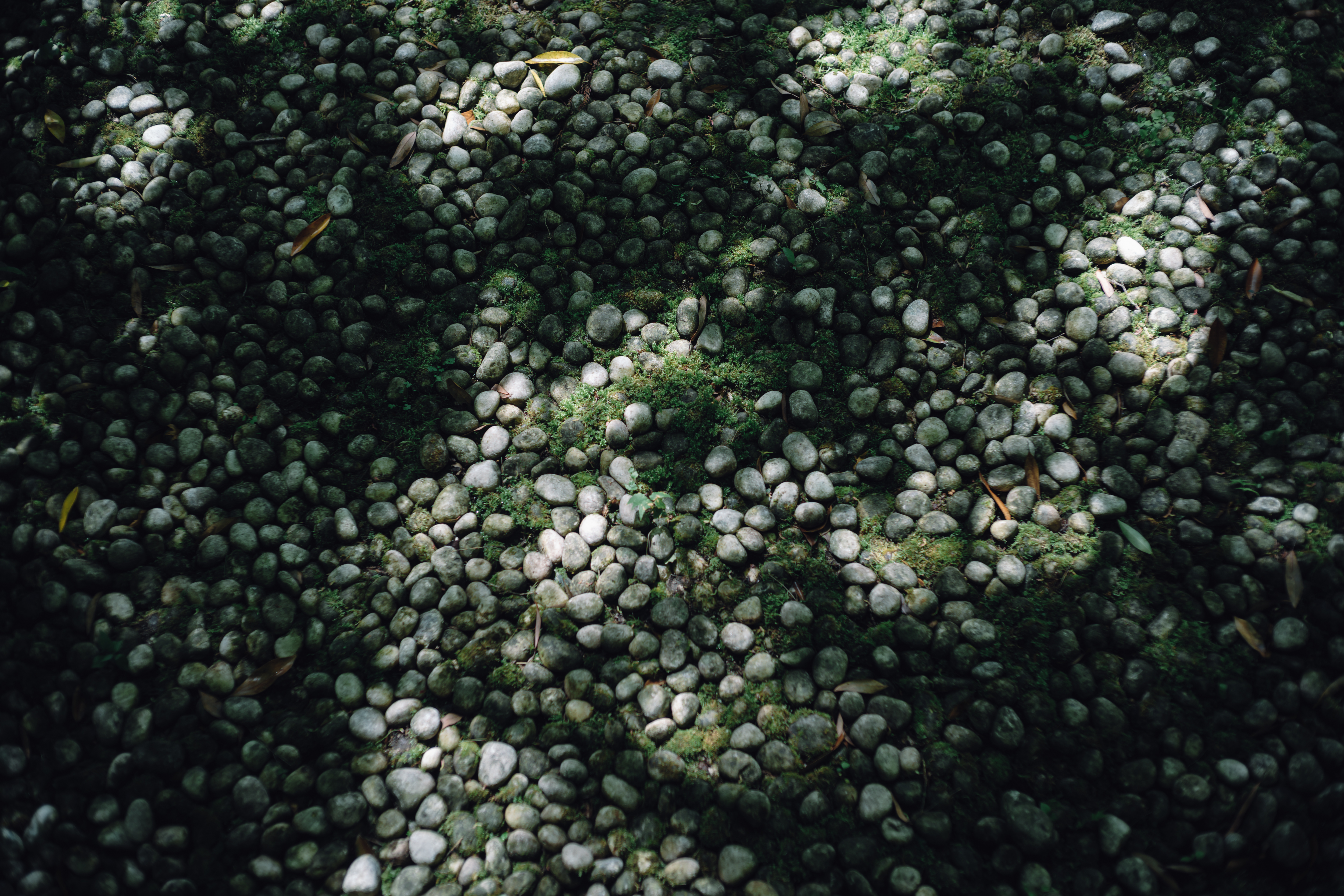
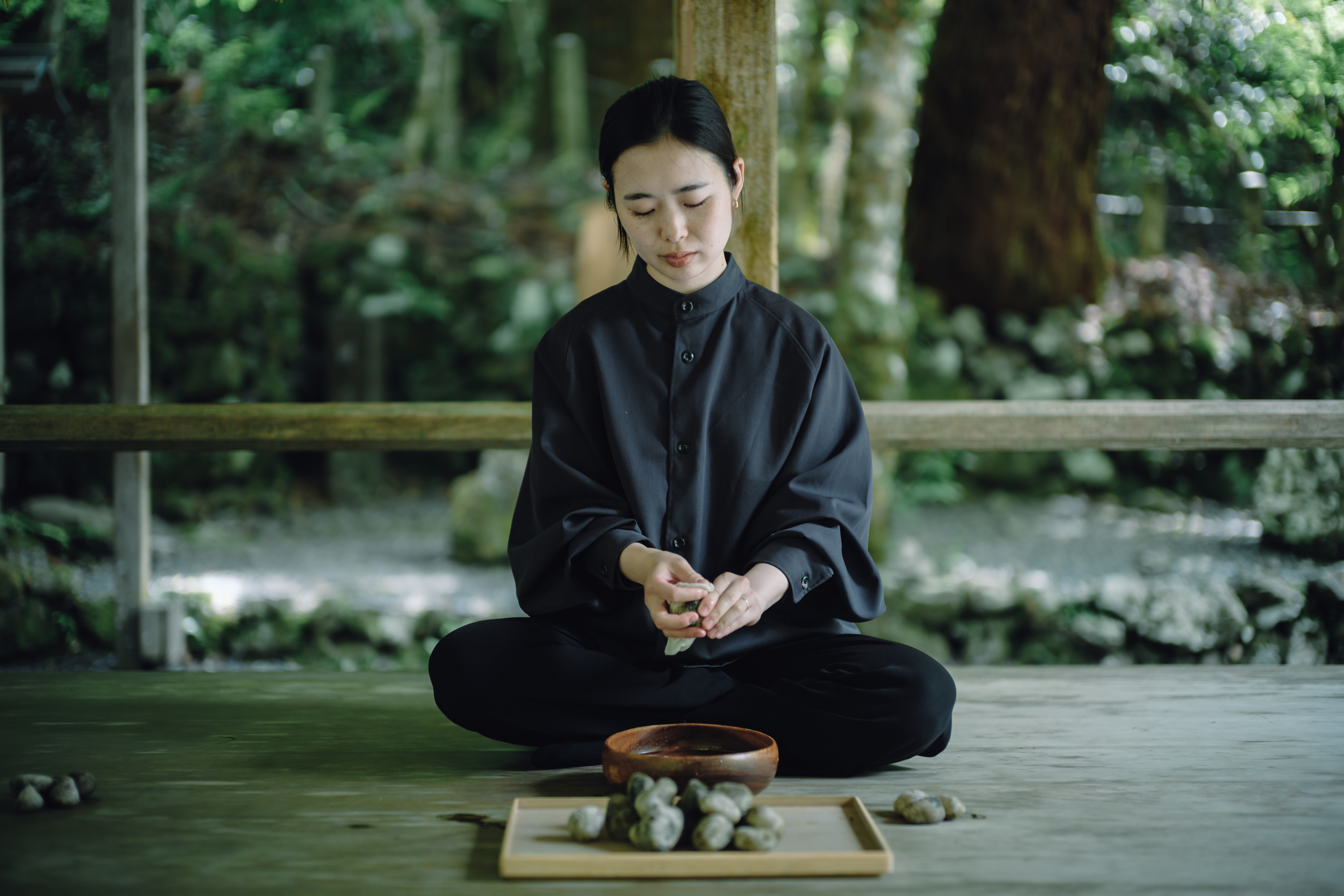
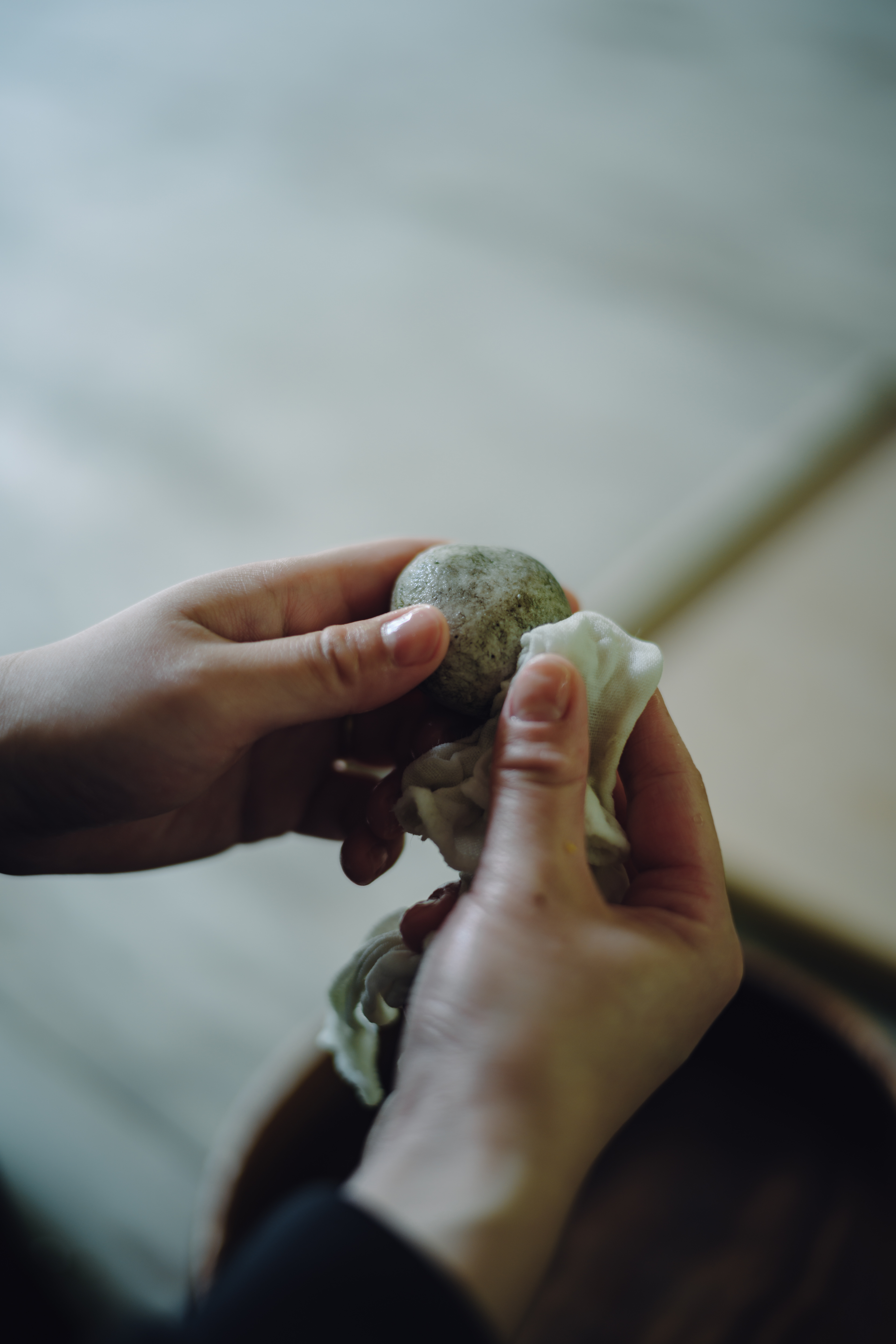
舞台の上に、整然と佇む白玉石。これらは、かつて貴船神社・本宮の権地に神域の石としてあり、青々と苔むしていました。その石を磨く会「清石の杜」を、去年の初夏から晩秋にかけて奥宮で行いました。神聖な杜の中、貴船の清らかな水で、石をひとつずつ丁寧に磨く。そのひとときは、人の心も、場も、静かに澄んでいくようでした。
ここに並ぶ石は、67 名の参加者と磨いたものです。目の前の景色は、あの時の空気や時間、磨いた人々の想いが重なり合い、立ち現れています。
展示後、石は元の権地へ奉納され、神さまと杜と共に、再び時を重ねていくことでしょう。
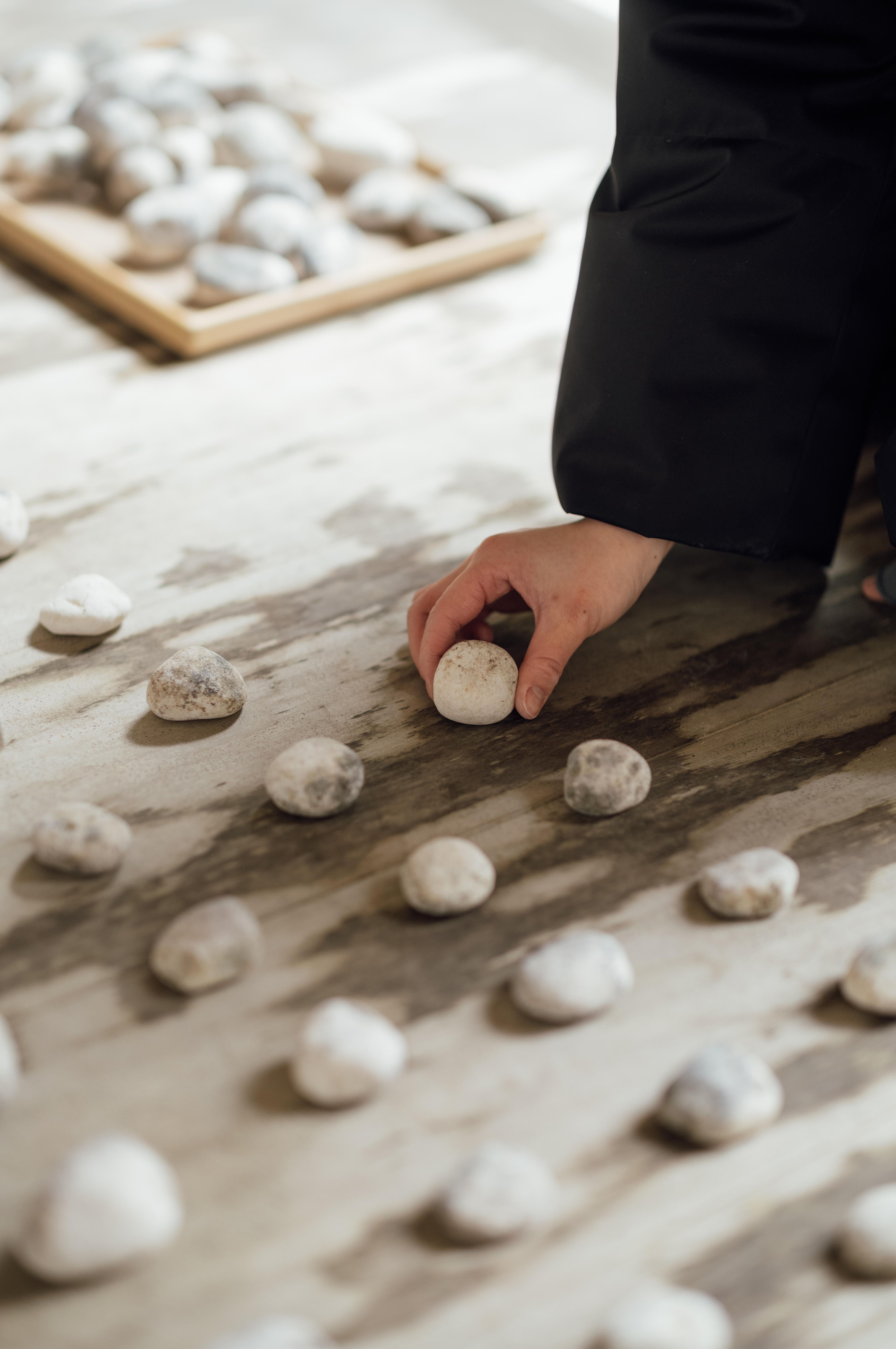
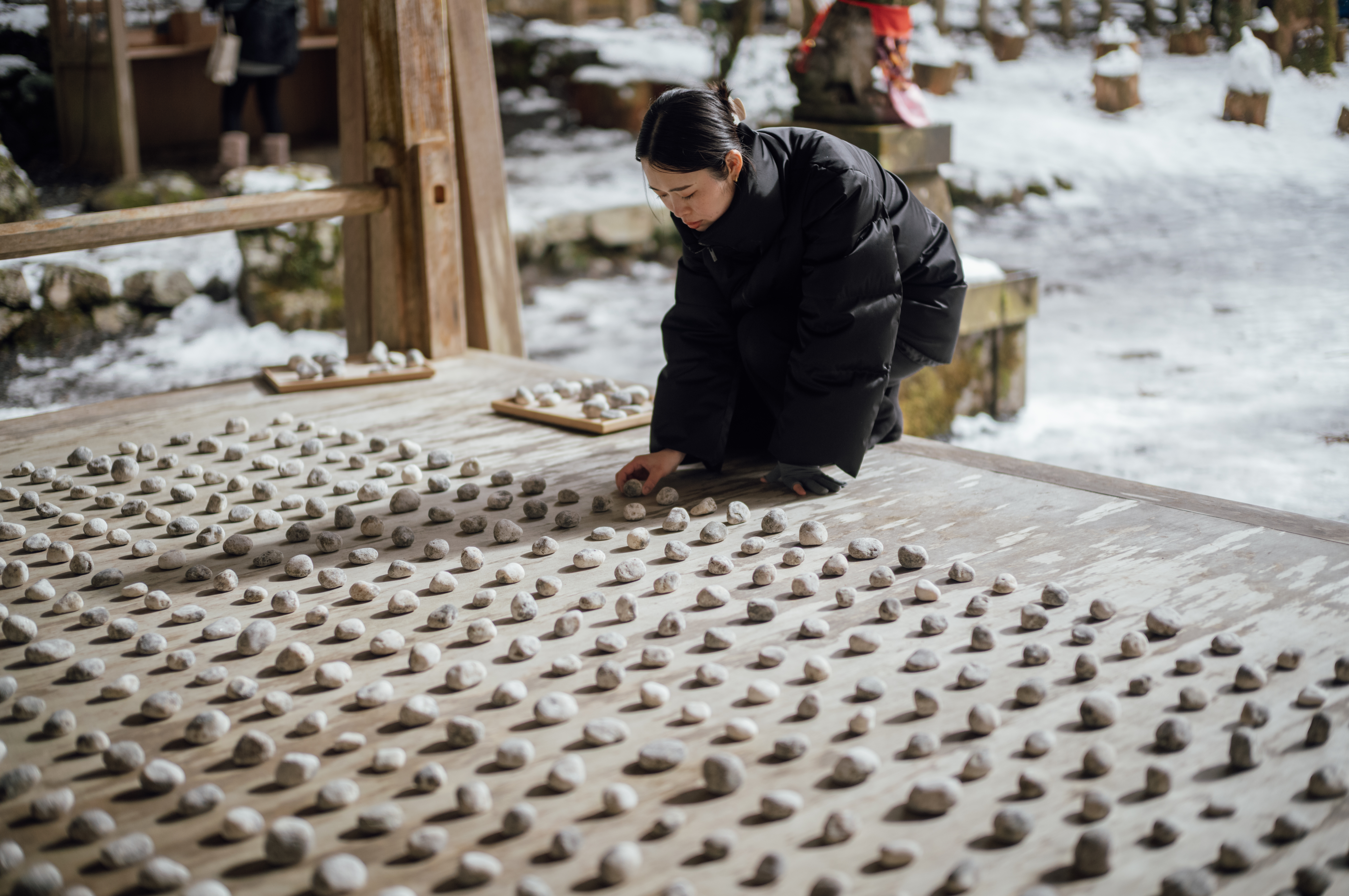
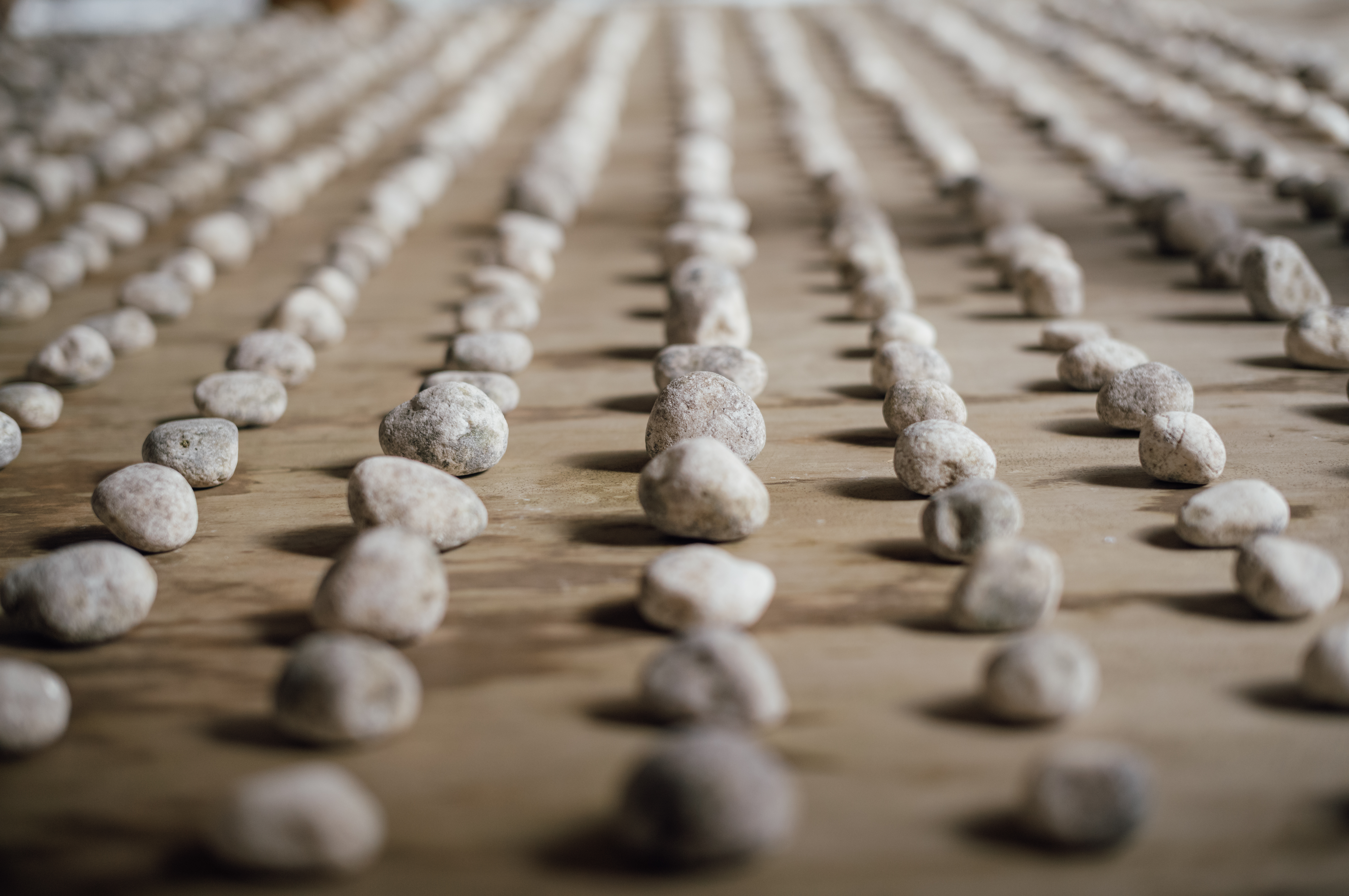
White jade stones stand in orderly rows on the stage. These stones once stood as sacred stones on the grounds of the Main Shrine of Kifune Shrine, covered in lush green moss. From early summer to late fall of last year, we held “Sei-Seki” (Grove of Purified Stones)—a gathering to polish these stones—at the Inner Shrine. Amid the sacred grove, we carefully polished each stone one by one using the pure waters of Kifune. During those moments, it felt as though both our hearts and the space around us were quietly becoming clearer and more serene.
The stones lined up here were polished by 67 participants. The scene before us emerges as the atmosphere and passage of time from that moment, along with the thoughts of those who polished them, intertwine and come to life.
After the exhibition, the stones will be dedicated to their original sacred grounds, where they will once again pass the years alongside the deities and the grove.
貴船神社での石磨きの会「清石の杜」は年間15 回開催。各回につき5名まで、合計67名もの方が、全国から参加してくれました。会場は、神社創建の地である、奥宮。通常は神事でのみ使用される舞台で石を磨くひとときは、貴船の杜と静かに一体となるような清く美しい時間が流れていました。
The “Sei-Seki” stone-polishing event at Kifune Shrine is held 15 times a year. Up to five people participated in each session, with a total of 67 participants joining us from all over the country. The venue was the Okumiya, the site where the shrine was originally founded. As participants polished stones on the stage—which is normally used only for Shinto rituals—a pure and beautiful atmosphere unfolded, allowing everyone to quietly become one with the Kifune forest.
Corrugated / Coral – Eight Practices to Project Architecture Afar
2026/4/21 – 9/13
WHAT MUSEUM, Warehouse TERRADA
若手建築家8組を紹介するグループ展。出展建築家のひとつであるアーキペラゴアーキテクツスタジオの展示において、協働制作した作品を発表しました。
A group exhibition featuring eight teams of emerging architects. As part of the exhibition by Archipelago Architects Studio—one of the participating firms—we presented a collaborative work.
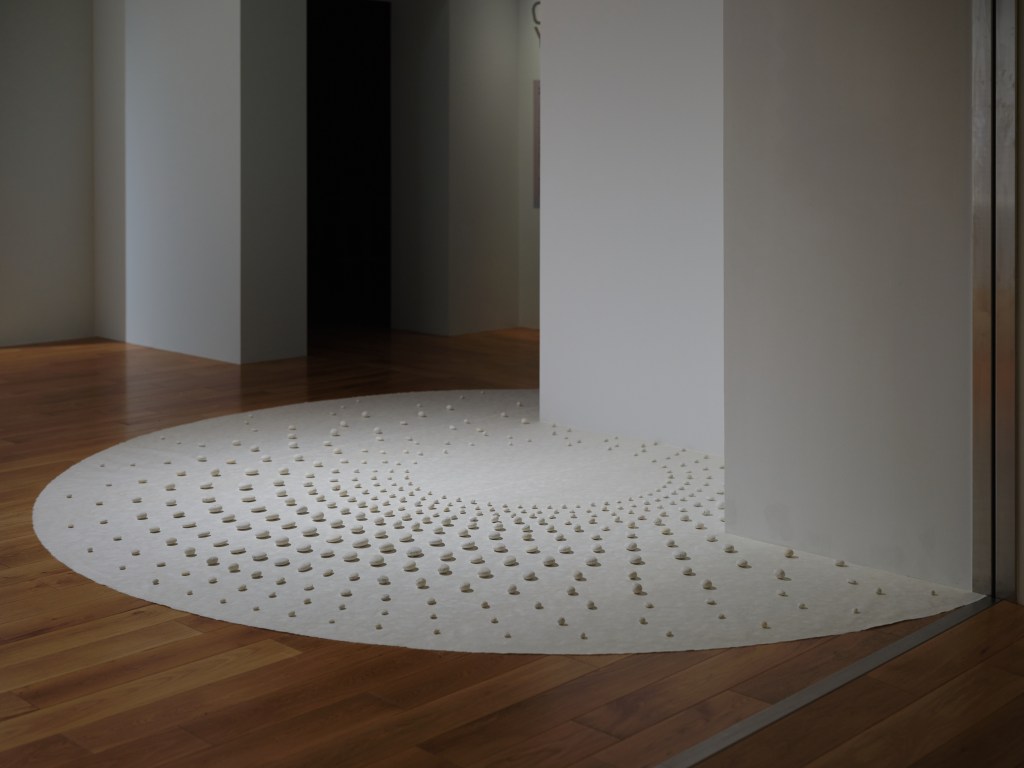
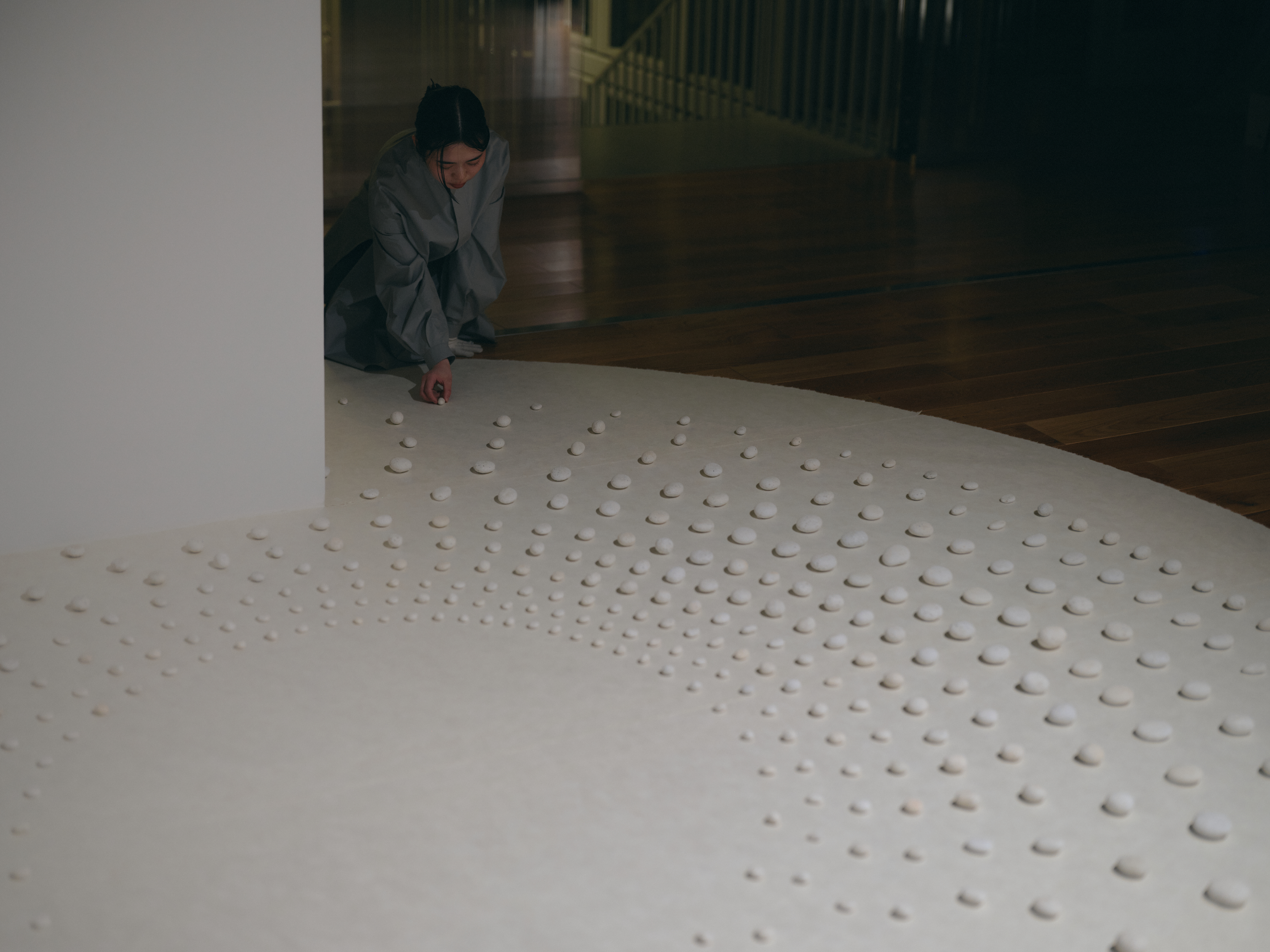
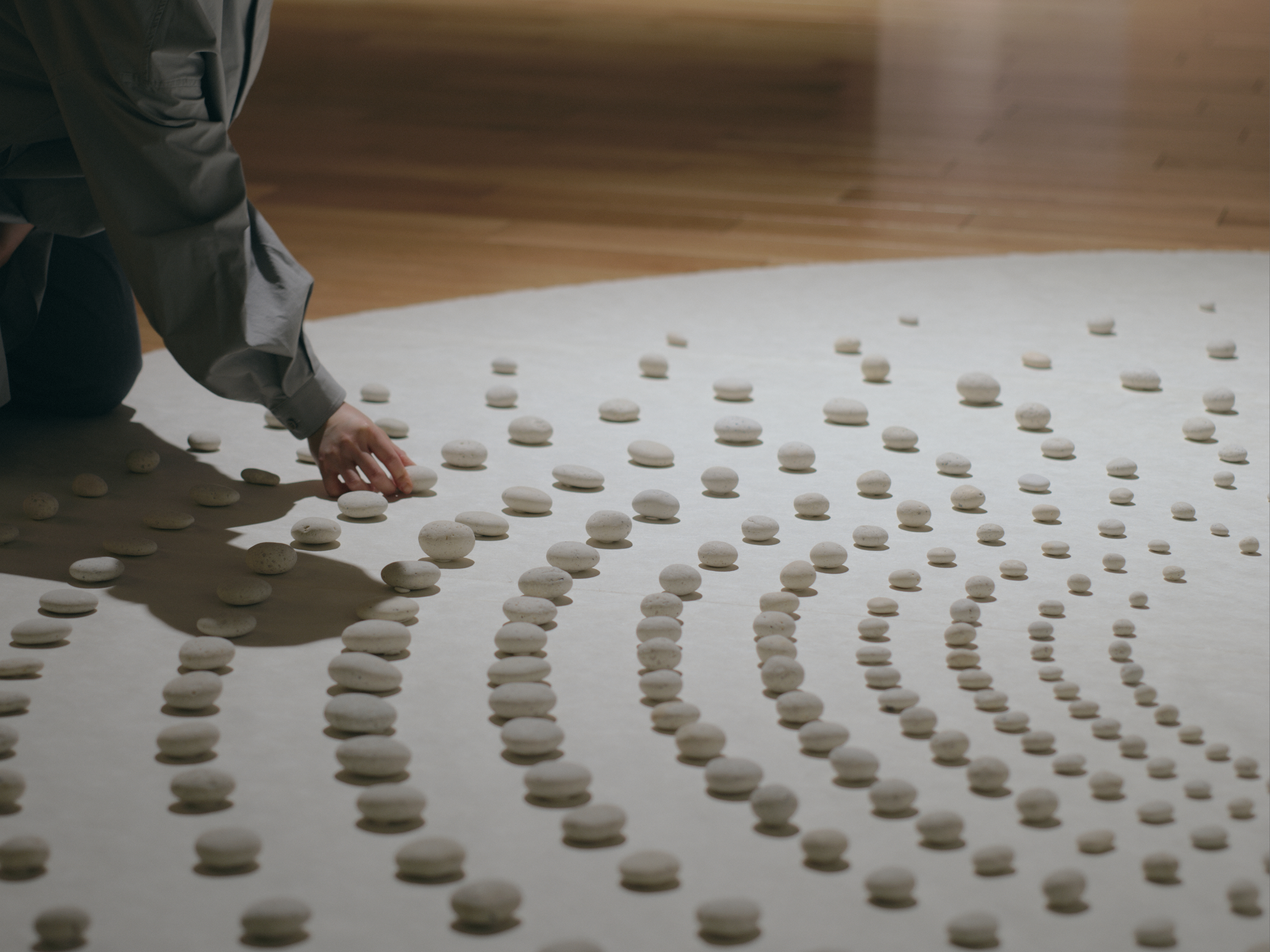
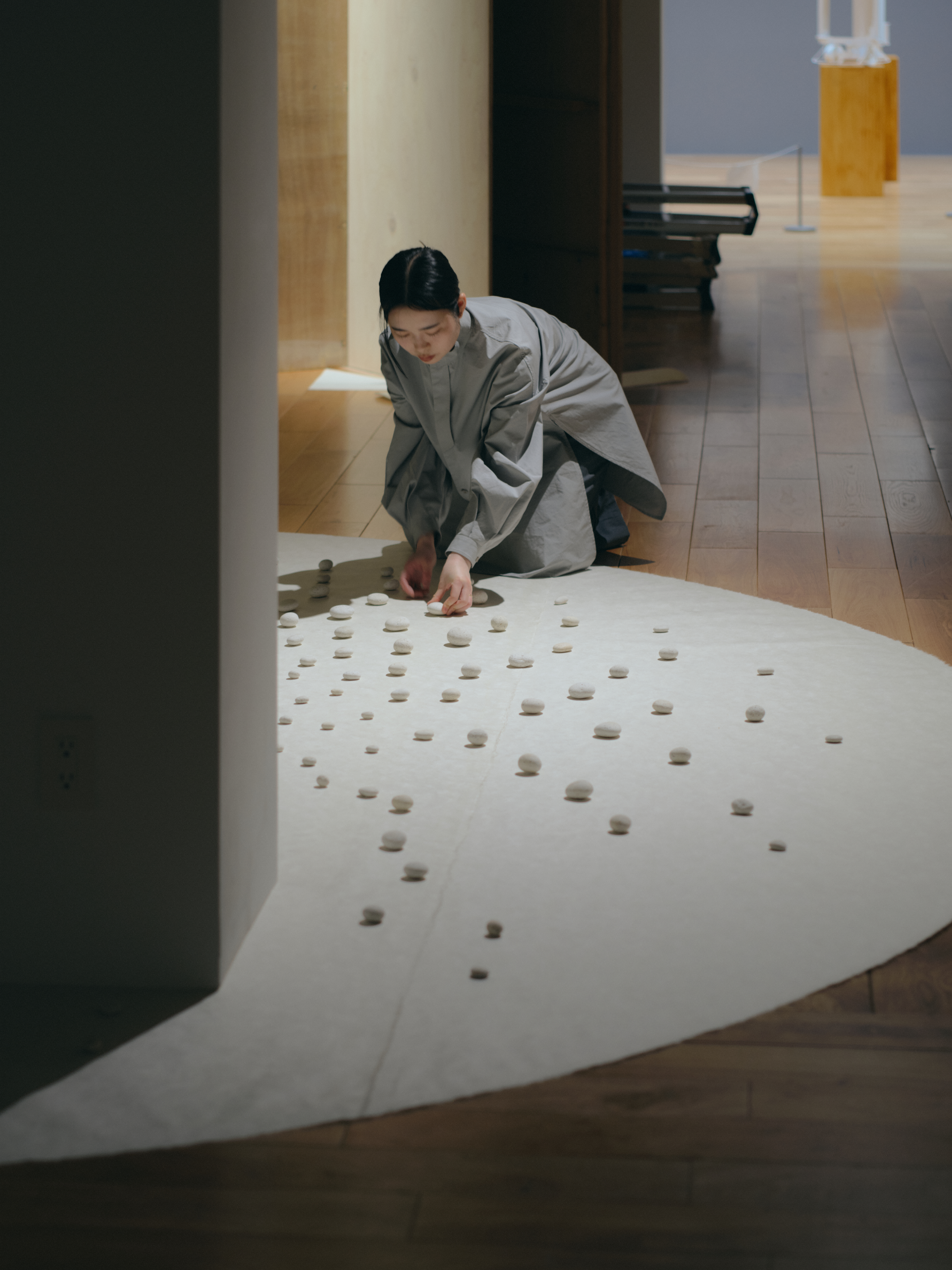
《円》 2026 / W3,800×D3,800mm / 白那智石、和紙
“Circle” 2026 / W3,800×D3,800mm / Shirachichi Stone, Washi Paper
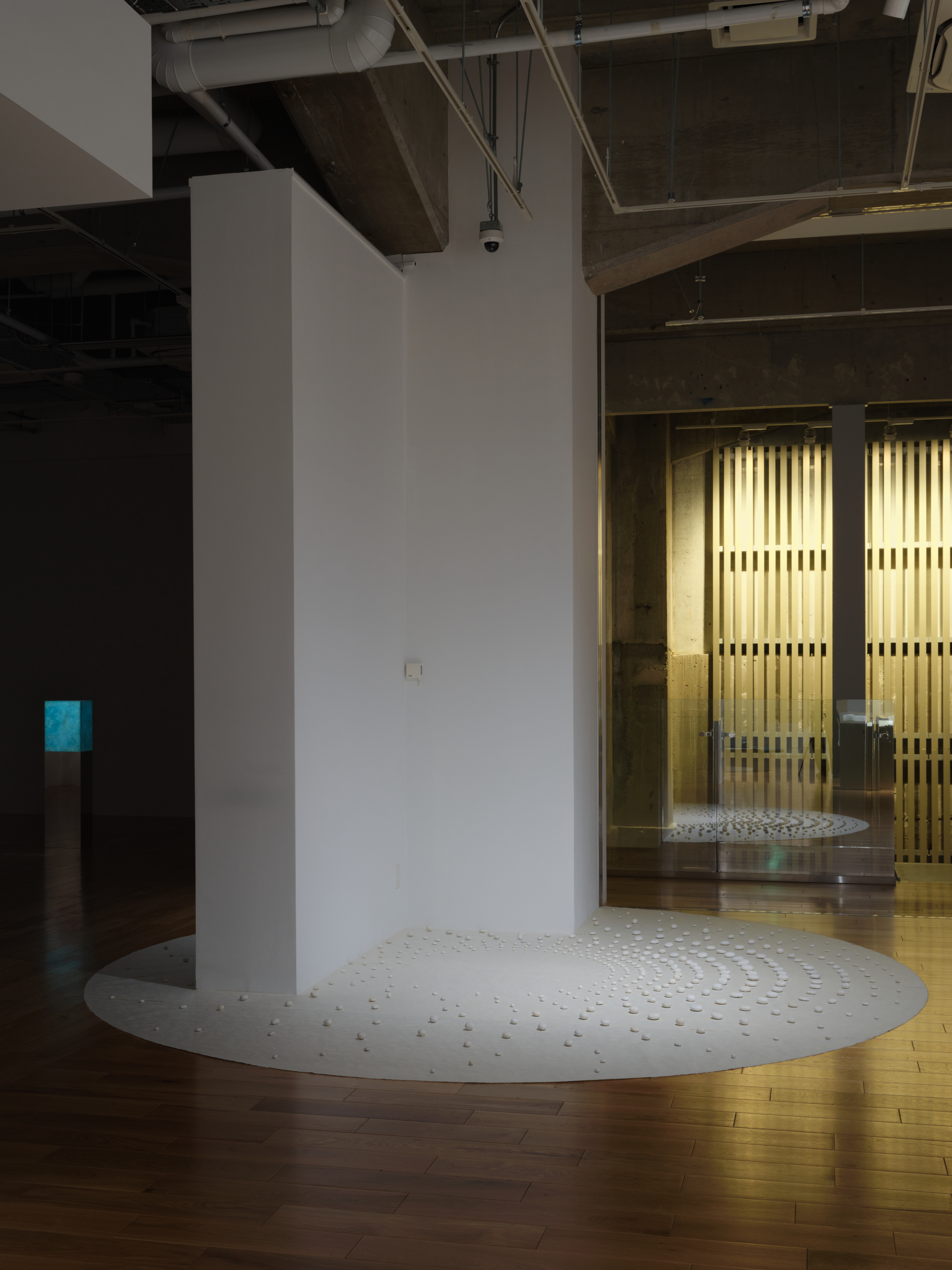
他者との境界をつなぐ、開かれた円。
「ハグの家」はアーキペラゴアーキテクツスタジオが設計した、夫婦と保護された犬猫たちのための建築で、大きな庭と住居を白い塀が囲い、上空から見ると正円を成している。しかし建築を前にすると、どこからも円の全景を捉えることはできない。それゆえに、円がもつおおらかさや包容力といった性質を空間から感じた。庭を囲う塀は室内へ、さらに床を貫いて二階へと続いていく。内と外、大地と空、人間と動物。そうした境界をゆるやかに繋ぐ曲線が美しかった。
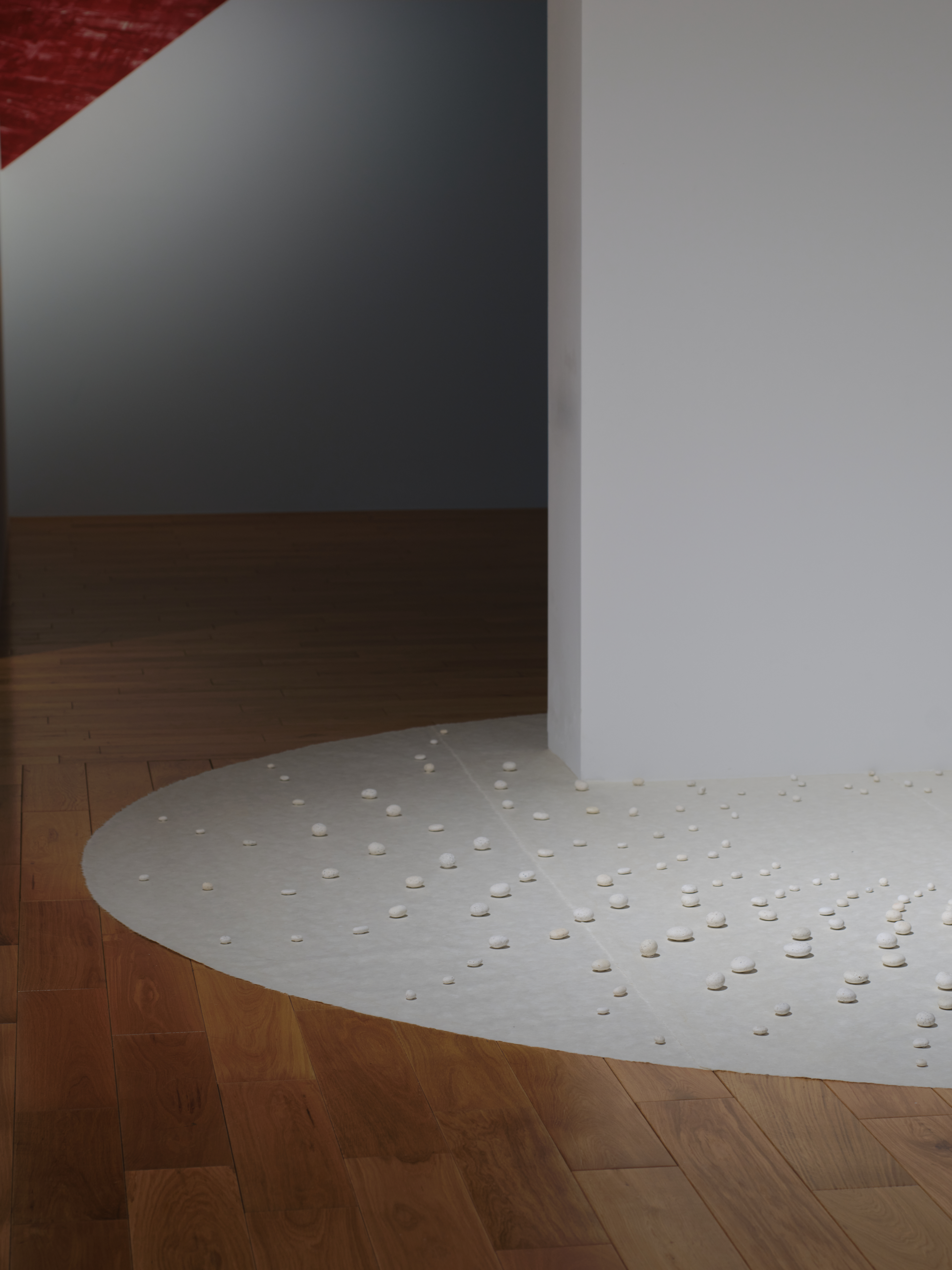
そんな建築を題材とした本作。作品は展示室の壁面を越えて、隔たれた空間を繋ぐように石が円形に並んでいる。鑑賞者が歩いて見る位置が変わることで、作品は表情を変える。円の輪郭が見える瞬間もあれば、輪郭がほどけて。石の一つひとつが浮かび上がってくる。建築と同じく、円の捉え方が常に移ろう鑑賞体験を目指しました。
本作で素材とする石は、三重県・七里御浜で採取される白那智石である。海岸にさまざまな石が無数にある中から、一つずつ丁寧に手で拾い集めた白那智石は、古くから寺院の参道や神社の神域に用いられてきた。そうした異なる次元の境界を繋いできた石である。
An open circle that bridges the boundaries between people.
“The House of Hugs,” designed by Archipelago Architects Studio, is a home for a married couple and their rescued dogs and cats. A white fence encloses the large garden and the house, forming a perfect circle when viewed from above. However, when standing in front of the building, it is impossible to take in the entire circle from any single vantage point. Precisely because of this, I sensed the circle’s inherent qualities—its generosity and inclusiveness—through the space itself. The wall enclosing the garden extends into the interior, passing through the floor and continuing up to the second story. Inside and outside, earth and sky, humans and animals—the curves that gently connect these boundaries were beautiful.
This work takes that architecture as its subject. The stones are arranged in a circle, extending beyond the walls of the exhibition room as if to connect the separated spaces. As viewers walk and their vantage points shift, the work changes its appearance. At times, the outline of the circle is visible; at other times, the outline dissolves, and each individual stone emerges. Just like the architecture, I aimed to create a viewing experience where the perception of the circle is constantly shifting.
The stone used in this work is Shiro-Nachi stone, sourced from Shichiri-no-Hama in Mie Prefecture. Carefully hand-picked one by one from among the countless stones on the beach, Shiro-Nachi stone has long been used for temple approach paths and the sacred precincts of Shinto shrines. It is a stone that has historically bridged the boundaries between different dimensions.


